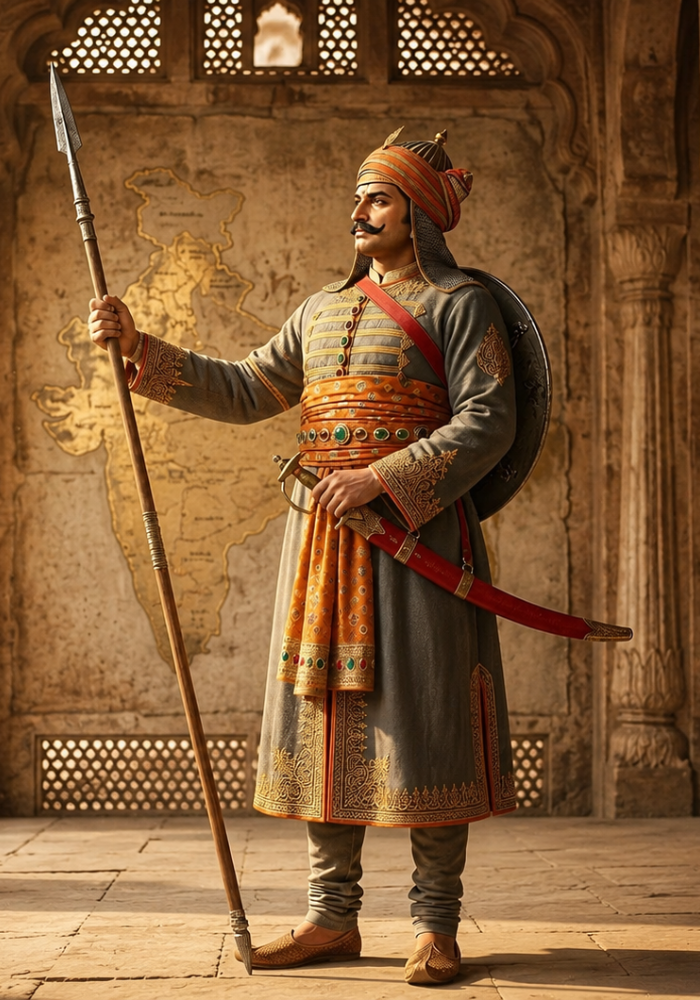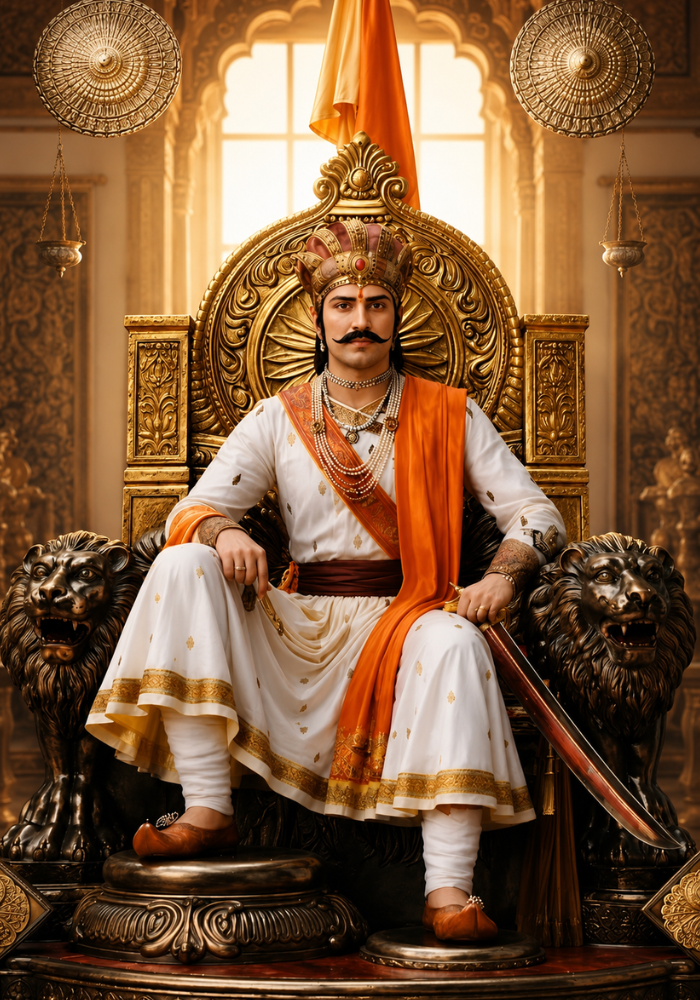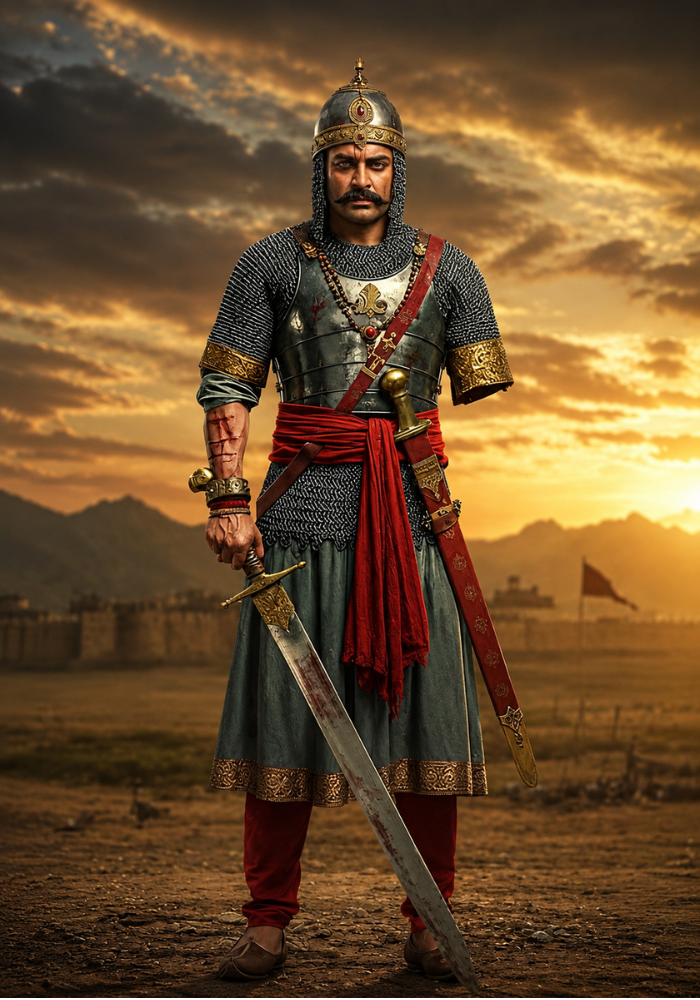
The word Rajput derives from the Sanskrit rājaputra (राजपुत्र), meaning "son of a king" or "son of a ruler." As a social, martial, and political identity, the Rajputs rose to prominence between the 6th and 12th centuries CE, consolidating control over vast swaths of northern, western, and central India — a region that came to be known as Rajputana (the "Land of the Rajputs," roughly present-day Rajasthan).
Rajput identity is defined not merely by lineage but by a rigorous warrior code — Kshatriya dharma. This code valorised courage (veer rasa), honour (maryada), protection of women and the weak, loyalty to one's lord, and death in battle over the disgrace of surrender. The practice of Jauhar (mass self-immolation by women to avoid dishonour) and Saka (the last suicidal charge by men) exemplified this code at its most extreme.
At their zenith, Rajput clans controlled kingdoms stretching from Sindh to Bengal, from the Himalayas to the Deccan plateau. They were prolific builders of temples, stepwells, and forts; generous patrons of Sanskrit literature, music, painting, and dance; and fierce defenders of regional cultures and Hindu religious traditions.
Today, the Rajput community numbers over 100 million people across India, concentrated in Rajasthan, Haryana, Uttar Pradesh, Gujarat, Himachal Pradesh, Punjab, and Delhi — including historic villages like Rithala in North Delhi, whose Rajput families preserve centuries of this living heritage.